Loading...
Serving North Lauderdale, FL and surrounding areas. (754) 294-8977
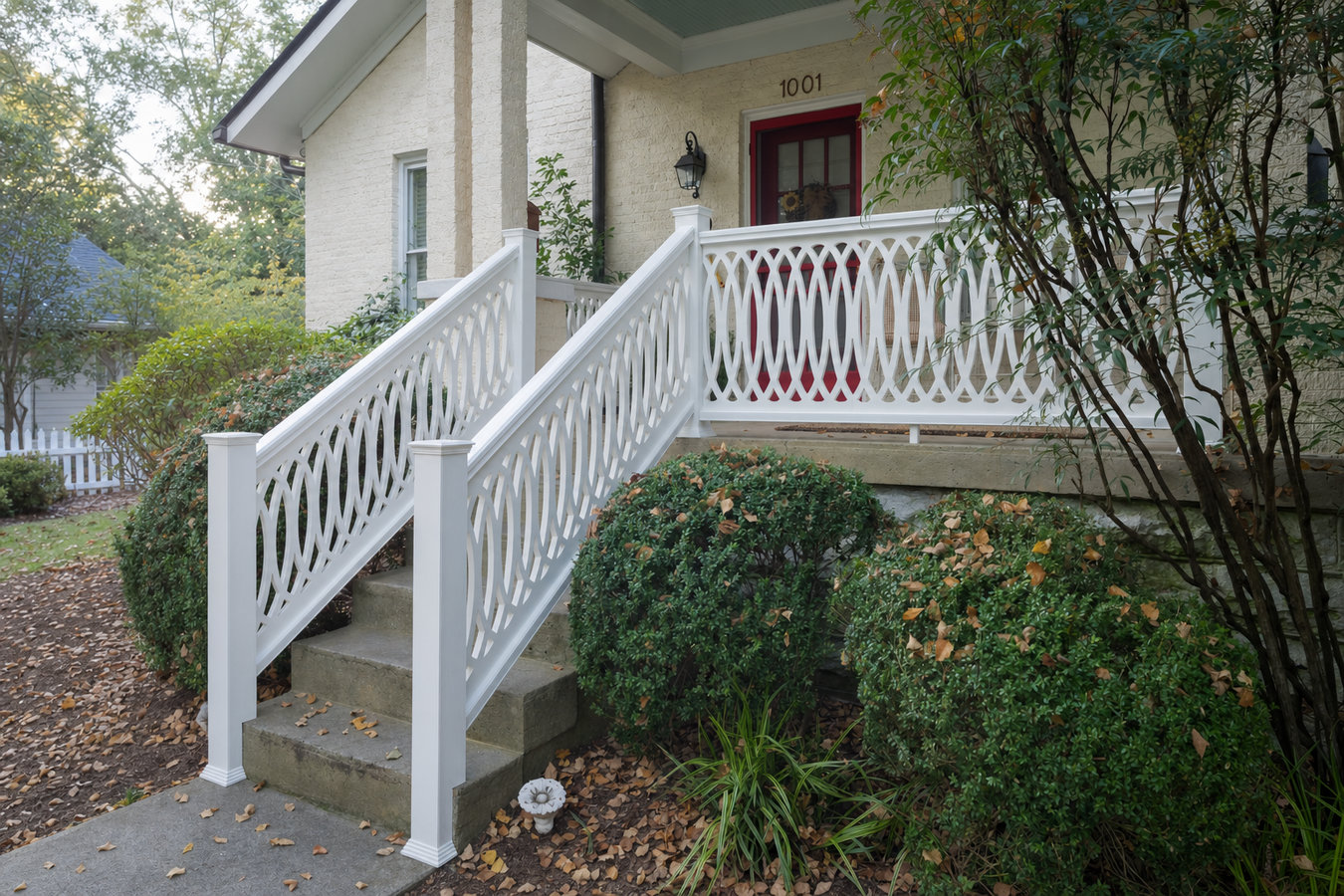
A wobbly or rotting railing is a safety problem, not a cosmetic one. We install deck railings in North Lauderdale with wind-load rated anchoring, Broward County permits, and materials chosen for this climate.
Deck railing installation in North Lauderdale means removing old railing if there is one, then installing new posts, top and bottom rails, and balusters anchored to meet Broward County's wind-load requirements - most residential jobs taking one to two days of on-site work after permit approval.
A railing is not just a visual detail - it is a structural safety component, and in North Lauderdale's climate it is one that takes a serious beating. The combination of year-round heat, heavy summer humidity, and salt air from the nearby coast breaks down railing materials faster here than in most of the country. Wood posts can soften from the inside out without showing obvious damage on the surface. Metal hardware corrodes in ways that are hard to see until a post actually fails. If your deck sits 30 inches or more above the ground, Florida's building code requires a railing that meets specific height and spacing standards - and that work needs to be permitted and inspected.
If your deck itself needs structural attention before new railing goes in, we also handle deck repair and replacement. And if you are building a new deck from scratch and want the railing designed as part of the whole project, our custom deck design and build service covers everything together.
Stand at one end and push firmly sideways on a post. If it moves even slightly, the post is no longer anchored properly and the railing is not doing its job. In North Lauderdale's heat and humidity, wood posts can soften at the base over time even when the surface looks fine - a wobble that appears suddenly often means decay has been building for a while.
Run your hand along the bottom rail and press gently on each post near where it meets the deck surface. Soft wood or visible rust on metal hardware are signs the material has broken down past the point of repair. South Florida's combination of heat, rain, and humidity makes this kind of deterioration happen faster here than in most other parts of the country.
Stand back and look at the spacing between the vertical pieces between your posts. If you can fit your fist through the gap, the spacing is too wide to meet current safety requirements. This is especially important if you have young children or grandchildren who use the deck, and it is one of the first things a home inspector will flag when you sell.
Many homes in North Lauderdale were built in the 1980s and 1990s, and original wood railings from that era are reaching the end of their useful life. Even if the railing looks okay from a distance, hardware from that period - screws, brackets, and post anchors - can corrode internally without showing obvious signs. If your home is in that age range and the railing has never been touched, a professional inspection before the next hurricane season is worth scheduling.
We install railing systems in aluminum, composite, pressure-treated wood, cable, and glass panel configurations - and the material recommendation we make is always based on your specific situation: your HOA requirements, your budget, and how much ongoing maintenance you want to take on. In North Lauderdale's climate, aluminum and composite are the two materials that hold up best over time with the least effort. Aluminum does not rust, warp, or need painting, and a quality aluminum railing properly installed here should last 20 or more years. Composite offers a wood-look aesthetic with similar durability. If you prefer the look of wood, pressure-treated lumber sealed properly can perform well - it just requires more attention over the years in South Florida's humidity. The most important part of any installation is not the material - it is the way the posts are anchored. We bolt through the rim joist or use surface-mount brackets rated for Broward County's wind loads. Posts that are simply screwed into the deck surface without proper hardware will fail an inspection and are a genuine safety risk. We also use marine-grade or powder-coated fasteners and brackets throughout, because those small components are where corrosion starts in this coastal environment. Whether you are replacing an aging wood railing or adding railing to an existing deck, we pair our work with custom deck design and build when a full build is part of the plan, and with deck repair and replacement when the deck structure itself needs attention before new railing goes in.
Every installation is scoped with the permit timeline built in - we apply for the Broward County permit before any work begins and are present for the post-installation inspection. You will have documentation on file when the job is done.
The most popular choice in South Florida - low-maintenance, corrosion-resistant, and available in a range of styles and colors to match your HOA requirements.
Wood-look aesthetic without the maintenance. Composite rail systems hold up well against heat, humidity, and UV exposure in the North Lauderdale climate.
A cost-effective option for homeowners who prefer wood and are committed to regular sealing - properly maintained, it performs well in South Florida's conditions.
Open-view systems that preserve sightlines to a pool, garden, or backyard. Post anchoring for these systems is engineered specifically for Broward County's wind-load requirements.
North Lauderdale sits in Broward County, which is classified as a high-velocity wind zone under Florida's statewide building code. That designation means railing installations here must meet stricter post-anchoring and structural requirements than most of the country. A contractor who installs railings the way they would in Georgia or North Carolina may produce work that looks fine but would not pass a Broward County inspection. Beyond the wind requirements, North Lauderdale is close enough to the Atlantic coast - roughly 10 miles - that salt air is a genuine factor for outdoor metal components. Standard steel hardware can show rust or corrosion within a few years in this environment; marine-grade or powder-coated hardware is the right choice here. The city's housing stock also skews older - many homes were built in the 1980s and 1990s, meaning original wood railings are now 30 to 40 years old and approaching or past the end of their useful life.
We work on homes throughout the area, including Pompano Beach and Margate, where the same coastal climate and wind-zone requirements apply. For authoritative guidance on railing safety standards and material performance, the North American Deck and Railing Association and the University of Florida IFAS Extension are two reliable sources on how outdoor materials perform in South Florida's climate.
We respond within one business day. We ask about your deck size, current railing, and HOA situation, then schedule a free on-site visit - railing jobs are hard to price accurately without seeing the deck in person. You will receive a written quote within 24 to 48 hours after the visit.
Once you approve the quote, we pull the required permit before any work begins. This typically takes one to three weeks. We handle the entire permit application for you - you should not have to navigate the permit office yourself.
Most residential railing jobs take one full day. The crew removes the old railing first, then installs new posts, rails, and balusters using anchoring hardware rated for Broward County's wind requirements. Expect some noise and minor debris - we clean up before we leave.
After installation, the county inspector schedules a visit to verify the work meets current safety requirements. We coordinate that appointment and are present for it. Once the inspection passes, we walk you through every post and connection before we leave.
We reply within one business day. Tell us about your deck and we will schedule a free on-site estimate - no commitment, no pressure.
(754) 294-8977Every railing installation we do in North Lauderdale is permitted through Broward County and inspected before the job is considered done. You will have paperwork to hand to any buyer's agent or inspector - no surprises, no unpermitted work that complicates a future sale.
Broward County is a high-velocity wind zone, and the way a post is anchored determines whether a railing holds up in a serious storm. We bolt through the rim joist or use surface-mount brackets rated for local wind loads - not toe-nailed shortcuts that look fine until the wind picks up.
North Lauderdale sits about 10 miles from the Atlantic coast, close enough that salt-laden air is a real factor for outdoor metal components. We use marine-grade or powder-coated hardware for fasteners and brackets. Those small components are where corrosion starts, and getting them right the first time is cheaper than replacing them later.
Many North Lauderdale neighborhoods have HOA rules about railing styles, colors, and materials on visible exterior surfaces. We ask about your HOA at the start and can help you put together the approval documentation your association needs. The University of Florida IFAS Extension at edis.ifas.ufl.edu has resources on material performance in South Florida's climate - we stay current on what holds up here.
Permitted work, wind-rated anchoring, climate-appropriate materials - including a cable railing for decks that need to keep sightlines open - and HOA coordination from the start - those four things together mean a railing that passes inspection today and holds up through years of South Florida weather without becoming a problem you have to deal with again.
If you are building a new deck from scratch, we design the railing into the overall project so everything is permitted and engineered together.
Learn MoreWhen the deck structure itself needs work before new railing goes in, we handle both - so you are not coordinating two separate contractors.
Learn MoreBroward County permit slots fill up fast in spring - contact us now and we will have your railing designed, permitted, and installed before storm season arrives.